

4 Photography Apps for Kids: A Parent-Guided 2026 Review
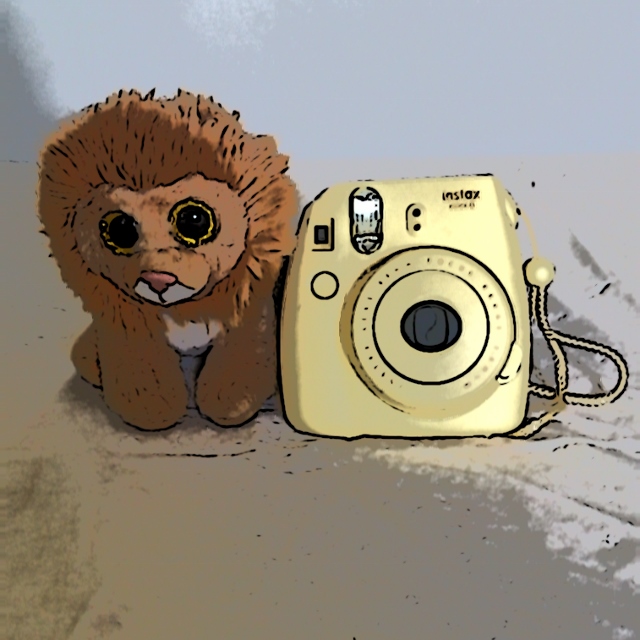
A toy can take a tiny step between photographs, a wonky portrait can get a gentler crop and a handful of pictures can become your child’s own album. The right app helps that idea happen without making the setup too complicated. We would begin with the camera and photo tools already on a device you supervise, then add an editing or animation app for a real project. You review current age information, requirements, purchases and privacy before installation.
1. The built-in Camera app
The built-in Camera app is a friendly starting point. Your child can pick a subject, tap to focus, try a brighter or darker version and compare safe viewpoints without another account. Keep the grip steady and introduce the grid only when it helps the picture. You prepare the phone or tablet and turn off location tagging if you do not want coordinates stored. The first adventure can begin with a familiar toy and the camera already there.
2. Snapseed for careful editing
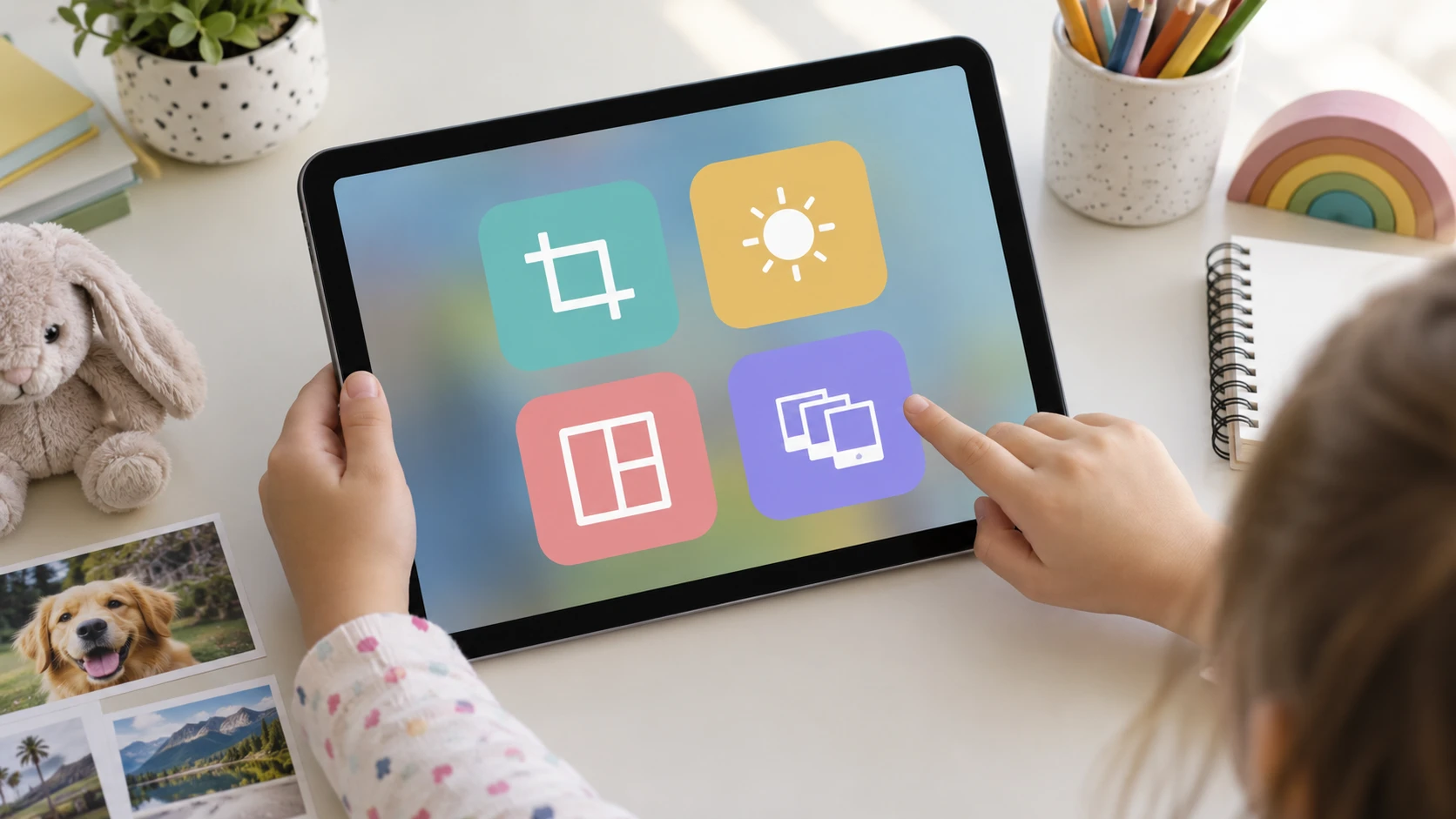
Snapseed offers tools for cropping, straightening, light and colour adjustments, selective edits and an undoable editing history. It suits a child ready to explain why a change helps a picture. Check the current store listing and age information for your device, and keep the original by duplicating or exporting an edited copy. A toy’s face becoming easier to see is a useful editing goal; trying every effect at full strength need not be the lesson.
3. Stop Motion Studio for visual stories
Stop Motion Studio can turn a series of still pictures into a toy’s little adventure. Its onion-skin view shows the previous frame while the next is arranged, helping small movements join up. An adult should review the current age rating, in-app purchases, permissions and export choices. Begin with a very short sequence you can finish together. The first satisfying result might be a toy crossing the table, with no elaborate set or public account needed.
4. The device photo library
Apple Photos or Google Photos can give a family a place to find, crop and arrange pictures. A dedicated album lets your child select favourites while you control accounts, cloud backup, sharing, deletion and face or location features. They can name the collection and choose its cover picture. You check the settings and keep the originals safe, so making a new project does not mean experimenting on the only copies.
How to compare apps
Look for a clear interface, useful undo, understandable saving and privacy information, limited advertising and no pressure to post publicly. Check which tools require payment and whether a trial becomes a subscription. Try the whole intended activity yourself. An app is a good match when your child can make the project with appropriate help, not when its store page lists the most filters.
A simple supervised workflow
Start with five photographs and edited copies. Let your child pick one small change for each, then compare it with the original and explain what improved. A heavy filter may hide the toy’s expression or make a face look unnatural; a gentler adjustment can serve the idea better. Export a few favourites and give the collection a title. Finishing something small is more useful than leaving a dozen experiments scattered across unfamiliar apps.
Match the app to the thing your child wants to finish
For a simple portrait, the built-in camera and library may be enough. Your child can take a picture, crop a copy and place it in an album without learning another interface. If the idea is a toy that walks across the table, a stop-motion tool answers a real need. If the subject is hard to see because of the framing or light, a careful editor may help. Begin with the project, then add only the software that moves it forward.
Preview the complete route yourself, including saving and exporting. A tool can be easy to open but frustrating at the end if the expected export requires payment or the result is difficult to find. Review current store information, platform compatibility and permissions for the actual version. App features and purchase arrangements can change, so do not assume an older tutorial describes the screen your child will see.
Keep the first assignment small enough to finish with the tools you already understand. A five-second toy movement or a three-photo album gives your child a satisfying result and shows you which controls are useful. You can investigate extra options later if the project asks for them. There is no creative requirement to subscribe, share publicly or collect many editing apps.
Teach an edit your child can explain
Put the original beside an edited copy and ask which part of the picture attracts attention first. A crop might remove a distracting chair; a modest light adjustment might make the toy’s expression clearer. If an effect changes everything without helping the idea, undo it and try less. This makes editing a continuation of picture-making rather than a competition to make the strongest transformation.
For stop motion, keep the camera and scene secure and let a small movement carry the story. Save the project as well as an exported version when the app supports that workflow. Your child can then return to an idea without rebuilding it from scratch, while you manage storage and backups. Do not let a stable setup become a reason to leave small parts, leads or equipment accessible to younger siblings.
Close with a private showing and a title chosen by your child. You check account, image and sharing details before anything leaves the device. The useful result is not a new app collection; it is a small piece of work your child understands and is happy to introduce.
Save the finished project clearly.
Test a photo app before sharing the device
Before sharing the device, try one photograph of a household object. With permissions under your control, open it, crop a copy and export the result. Check that the original remains intact and that you know where the exported file went. See whether the activity works without a public profile. Once that route is clear, your child can concentrate on the enjoyable part: deciding what the toy should do next or which pictures belong in the album.
Adults should adapt activities to the child’s age, device, and supervision needs.